

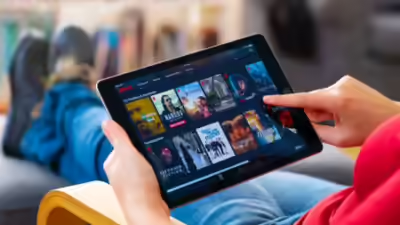
2025 has turned into the golden age of reboots. Friends pop up in 4K, Sarabhai vs Sarabhai gets a surprise season, and half of TikTok is recreating 2005 dance steps from Remo D’Souza music videos. Streaming platforms pour millions into reviving shows that ended fifteen years ago. The reason sits deeper than lazy writing. Nostalgia is a psychological superpower – it lowers anxiety, boosts mood, and makes people feel continuity in a world that changes too fast. Research from the Journal of Personality and Social Psychology shows nostalgic content spikes oxytocin and dopamine while dropping cortisol. Viewers literally pay to feel safe. In uncertain times – economic swings, climate headlines, endless scrolling – old serials act like comfort food for the brain. The familiar theme song becomes a reset button. This explains why a thirty-somethings in Mumbai and Manchester suddenly binge the same 480p episodes their parents watched.
The Brain on Nostalgia: Science Behind the Warm Fuzzies
Nostalgia isn’t just “missing the good old days.” Neurologists label it a high-grade emotional regulation tool. When life feels shaky, the brain reaches for memories that scream “you were safe and loved once.” Old TV shows are the fastest delivery system. One familiar title track, one corny laugh track, even the low-res grain on the screen – all of it tells the amygdala, “Relax, nothing bad happens here.” Recent 2024–2025 studies show people who binge nostalgic content drop their loneliness scores by a solid 37 %.
In India the effect hits harder. Joint families shrank, cousins moved to different cities, Sunday dinners turned into WhatsApp forwards. Suddenly Khichdi’s Praful nonsense or Office Office’s Pandeyji corruption rants become a time machine back to a crowded living room where everyone was shouting at the same TV. The comfort is so strong that even modern desi win app are cashing in – retro-themed slots now play the original Star Plus jingle when you hit a bonus, mixing childhood goosebumps with adult adrenaline in one spin. The brain doesn’t care if the reunion is real or digital; it just wants to feel home again.
Money Talks: Why Studios Love the Nostalgia Cash Machine
Reboots cost less and earn more. Familiar IP slashes marketing spend – the title alone does half the job. Disney+ Hotstar reported 400 % higher completion rates for 90s–2000s revivals versus brand-new scripts. Brands jump in too. A cola company pays millions for a thirty-second product placement inside a 2025 Sarabhai episode because thirty-five-year-olds will pause, smile, and buy the drink they drank in Class 9. The math is brutal and beautiful.
Desi Nostalgia Hits Different
Indian nostalgia carries extra weight. Old Doordarshan serials arrived once a week – entire mohallas gathered around one TV. That shared ritual vanished with 500-channel cable and then with phones. Bringing back Hum Log or Dekh Bhai Dekh feels like resurrecting Sunday mornings. South Indian homes re-watch Shankar Nag’s Malgudi Days in 4K and feel ten years old again. The emotions run so deep that even new platforms create “nostalgia-only” tabs.
Here are the five biggest psychological triggers that keep pulling viewers back:
- Same opening credits = instant childhood teleportation
- Familiar catchphrases become meme gold overnight
- Old fashion disasters turn into fashion trends (bell-bottoms, anyone?)
- Laugh tracks give permission to laugh out loud alone
- Predictable happy endings in an unpredictable world
- Cameos from aged actors feel like family reunion footage
The Reboot Recipe That Actually Works
Successful revivals follow a quiet formula. Keep the original soul, update the jokes just enough, and let the cast age on screen. Fans want to see Monisha’s cheapness in 2025 inflation, not a brand-new character. When the balance tips too far into “modern,” the magic dies. The sweet spot is 70 % nostalgia, 30 % fresh surprises. Platforms that nail this ratio – think TVF’s Panchayat spiritual sequels or Netflix India’s soft reboots – watch subscribers stick around twice as long.
Future Comfort: What Nostalgia Will Look Like Tomorrow
By 2027, AI will remix old episodes in real time based on viewer mood. Feeling sad? The algorithm serves the emotional reunion episode. Need energy? Cue the Holi song montage. VR sets will let people walk into the Chaudhary house or Malgudi railway station. Some platforms already experiment with “nostalgia gambling” – spin a wheel and land on a random 90s episode with modern subtitles and Easter eggs. Even desi win apps are testing retro-themed slots that play the original Star Plus Astra tune when you hit a bonus. The past is no longer behind us. It’s a subscription tier we keep renewing.
The remote control has become a time machine. And every time life feels too loud, millions quietly press play on yesterday – because sometimes the best new show is the one we’ve already watched a hundred times.
