

Innovation has always been a driving force behind human progress. From the invention of simple tools to the development of advanced digital technologies, innovation has continuously transformed the way people live, work, communicate, and interact with the world. Today, technology-driven innovations influence almost every aspect of daily activities, making tasks faster, easier, and more efficient. Whether it is managing household responsibilities, completing professional duties, accessing information, or staying connected with others, innovation has become an essential part of modern life.
The digital era has introduced countless solutions that improve convenience and productivity. Platforms and online services such as luxury12a5.com demonstrate how modern digital experiences are becoming integrated into everyday routines, offering new ways for users to interact with technology. As innovation continues to evolve, its impact on daily activities becomes more visible, shaping lifestyles and creating opportunities that were once impossible to imagine.
The Evolution of Innovation in Everyday Life
Human civilization has always depended on innovation to solve problems and improve living conditions. In earlier times, inventions such as the wheel, printing press, and electricity transformed society by changing how people traveled, shared knowledge, and completed tasks. Today, innovation is largely connected with digital transformation, artificial intelligence, automation, and smart technologies.
Modern innovations are designed to save time, increase accessibility, and improve efficiency. Activities that once required significant effort can now be completed within minutes through digital tools. For example, online banking allows people to manage finances without visiting a physical branch, while smart devices help users control home environments with simple commands.
The continuous development of innovative solutions has created a world where technology supports daily activities in ways that often go unnoticed. Many people rely on innovations from the moment they wake up until they go to sleep, making technology a natural part of everyday routines.
Innovation and Communication
One of the most significant impacts of innovation can be seen in communication. In the past, sending messages across long distances could take days or even weeks. Today, smartphones, social media platforms, and instant messaging applications allow people to communicate instantly from almost anywhere in the world.
Video conferencing technology has also transformed personal and professional communication. Businesses can conduct meetings with international teams, students can attend online classes, and families can stay connected despite geographical distances. These innovations have removed many barriers and created a more connected global community.
Furthermore, artificial intelligence-powered communication tools are improving how people interact with digital platforms. Voice assistants, translation applications, and automated customer support systems help users access information and services more efficiently.
The Role of Innovation in Workplace Productivity
Innovation has significantly changed the professional environment. Businesses now use advanced technologies to improve productivity, manage operations, and create better customer experiences. Cloud computing, automation software, and artificial intelligence tools allow employees to complete tasks more effectively.
Remote work is another major example of innovation influencing daily activities. Digital collaboration platforms enable employees to work from different locations while maintaining communication and productivity. This flexibility has changed traditional workplace structures and created new opportunities for professionals worldwide.
Automation has also reduced the need for repetitive manual tasks. Machines and software systems can handle routine processes, allowing employees to focus on creative thinking, decision-making, and problem-solving. As a result, innovation helps organizations become more efficient while improving the overall work experience.
Innovation in Home and Personal Life
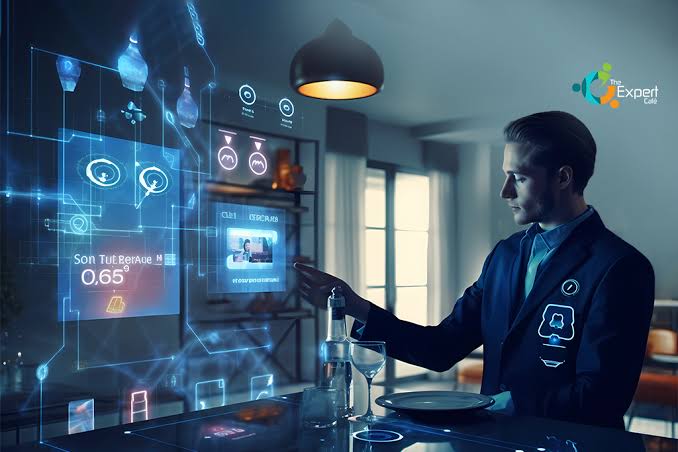
Technology has transformed homes into smarter and more convenient environments. Smart home devices, automated appliances, and connected systems help people manage daily responsibilities with greater ease. From controlling lighting and temperature to monitoring security systems, innovation provides solutions that improve comfort and safety.
Kitchen appliances have also benefited from technological advancements. Modern devices save time and reduce effort by automating cooking, cleaning, and food preparation processes. These innovations allow individuals to spend more time on important activities while maintaining household efficiency.
Personal health and fitness have also been influenced by innovation. Wearable devices can track physical activity, monitor health indicators, and encourage healthier lifestyles. Mobile applications provide access to fitness programs, nutrition guidance, and wellness resources, helping people make informed decisions about their health.
The Influence of Innovation on Education
Education has experienced major changes due to technological innovation. Traditional learning methods have expanded through online platforms, digital resources, and interactive tools. Students can now access educational materials from anywhere, making learning more flexible and accessible.
Online courses and virtual classrooms have created opportunities for people who may not have access to traditional educational institutions. Digital libraries, educational applications, and artificial intelligence-based learning systems provide personalized experiences that support different learning styles.
Teachers also benefit from innovative tools that help them organize lessons, evaluate student performance, and create engaging learning environments. Technology has made education more inclusive and opened new possibilities for lifelong learning.
Innovation and Transportation
Transportation is another area where innovation has dramatically improved daily activities. Modern transportation systems focus on speed, safety, and convenience. Navigation applications help people find routes, avoid traffic, and reach destinations efficiently.
Electric vehicles and smart transportation solutions are changing the future of mobility. These innovations aim to reduce environmental impact while providing more sustainable travel options. Autonomous vehicle technology is also being explored to improve road safety and transform transportation experiences.
Public transportation has benefited from digital solutions as well. Mobile ticketing systems, real-time tracking, and automated services make commuting easier for millions of people.
The Impact of Artificial Intelligence on Daily Tasks
Artificial intelligence has become one of the most influential innovations of the modern age. AI-powered systems assist people in various daily activities, from recommending content to organizing schedules and improving online experiences.
Personal assistants powered by artificial intelligence can answer questions, set reminders, and manage tasks. Businesses use AI to analyze information, improve services, and understand customer needs. These applications demonstrate how intelligent technology can support human decision-making.
Although artificial intelligence provides many benefits, it also requires responsible use. Protecting privacy, ensuring security, and maintaining human control are important considerations as AI continues to develop.
Innovation and Social Interaction
Innovation has changed the way people build relationships and participate in communities. Social platforms allow individuals to share ideas, discover new interests, and connect with people from different backgrounds.
Digital communities have created opportunities for collaboration and creativity. People can participate in online discussions, support social causes, and exchange knowledge without physical limitations. These developments have expanded social interaction beyond traditional boundaries.
However, innovation also highlights the importance of maintaining a balance between digital and real-world interactions. While technology improves connectivity, meaningful personal relationships remain essential for emotional well-being.
Challenges Created by Rapid Innovation
Despite its many advantages, innovation also presents challenges. The rapid development of technology requires individuals and organizations to constantly adapt. Skills that were valuable in the past may need to be updated as new technologies emerge.
Privacy and cybersecurity concerns have also increased with digital growth. As people rely more on online services, protecting personal information becomes increasingly important. Companies and users must adopt responsible practices to ensure safe digital experiences.
Additionally, excessive dependence on technology can create challenges related to screen time, reduced physical activity, and digital distraction. Finding a healthy balance between technology use and traditional activities is essential.
The Future of Innovation in Daily Activities
The future of innovation promises even greater changes in everyday life. Emerging technologies such as advanced artificial intelligence, robotics, virtual reality, and sustainable energy solutions are expected to transform how people live and work.
Future innovations will likely focus on creating personalized experiences, improving efficiency, and addressing global challenges. Smart cities, automated systems, and environmentally friendly technologies may become common features of daily life.
As innovation continues to advance, human creativity and adaptability will remain important. Technology should serve as a tool that enhances human potential rather than replacing the value of human ideas and experiences.
Conclusion
Innovation has become a powerful influence on daily activities, transforming the way people communicate, work, learn, travel, and manage personal responsibilities. Technological advancements have created new levels of convenience, efficiency, and connectivity, making everyday tasks easier and more accessible.
While innovation brings many benefits, it also requires responsible use and continuous adaptation. By embracing new technologies while maintaining awareness of their challenges, society can maximize the positive impact of innovation. As the future unfolds, innovation will continue to shape daily life and create opportunities for a more connected, efficient, and advanced world.
