

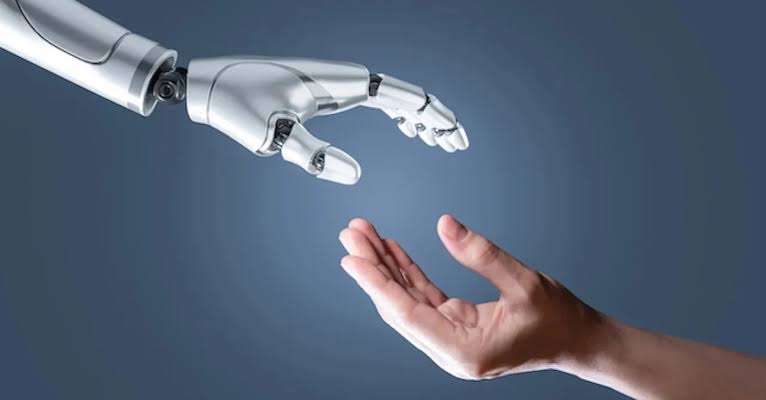
The modern world is rapidly moving toward a future where technology is deeply integrated into every aspect of daily life. From smart homes and wearable devices to artificial intelligence and connected entertainment platforms, digital innovation is transforming how people work, communicate, and experience the world. Online platforms and digital services have become essential parts of everyday routines, with websites such as batman138.id representing how digital environments continue to expand and provide new forms of online interaction. The future of connected digital lifestyles will focus on creating seamless experiences where devices, applications, and people remain constantly connected.
As technology continues to evolve, connectivity is no longer limited to computers and smartphones. The next generation of digital lifestyles will involve intelligent ecosystems where devices understand user preferences, predict needs, and provide personalized solutions. This transformation will influence homes, workplaces, healthcare, transportation, entertainment, and social interactions.
The Growth of Smart Technology in Everyday Life
Smart technology has already changed the way people manage their daily activities. Smart speakers, connected appliances, automated lighting systems, and intelligent security devices have introduced a new level of convenience. In the future, these technologies will become even more advanced, allowing homes to operate with minimal human involvement.
Artificial intelligence will play a major role in improving connected environments. Smart systems will analyze user behavior, recognize patterns, and automatically adjust settings based on individual preferences. For example, a smart home may regulate temperature, lighting, and energy consumption according to a person’s schedule and habits.
The expansion of the Internet of Things (IoT) will also strengthen digital connections. Millions of devices will communicate with each other, creating a network where information can be shared instantly. This will improve efficiency and create personalized experiences for users.
Artificial Intelligence and Personalized Digital Experiences
Artificial intelligence is one of the most important technologies shaping the future of connected lifestyles. AI-powered systems are becoming more capable of understanding human behavior, processing large amounts of information, and making intelligent decisions.
In the future, AI assistants will become more than simple tools for answering questions. They will act as personal digital companions that help manage schedules, recommend services, improve productivity, and provide customized experiences. Businesses will also use AI to understand customer preferences and deliver more relevant products and services.
Personalization will become a key feature of digital platforms. Instead of offering the same experience to every user, future systems will adapt according to individual interests, behaviors, and needs. This approach will make digital interactions more efficient and enjoyable.
The Role of Wearable Technology
Wearable technology is another important element of connected digital lifestyles. Smartwatches, fitness trackers, and advanced health monitoring devices are already helping people track their physical activities and wellness. Future wearable devices will provide even more detailed insights into personal health and daily habits.
Healthcare will benefit significantly from connected wearables. Doctors may be able to monitor patients remotely through real-time health data collected from smart devices. Early detection of health issues could become easier, allowing people to receive faster and more effective care.
Beyond healthcare, wearable technology will influence communication, entertainment, and productivity. Smart glasses and augmented reality devices may change how people interact with digital information, allowing virtual content to blend naturally with the physical world.
The Evolution of Smart Homes
Smart homes will become central to connected digital lifestyles. Future homes will not only contain connected devices but will function as intelligent environments that respond automatically to residents.
Energy management will become a major focus of smart home development. Connected systems will help reduce energy waste by monitoring usage and optimizing consumption. Smart appliances will operate more efficiently, contributing to sustainability and lower costs.
Security will also improve through advanced technologies such as facial recognition, AI-powered monitoring, and automated alerts. These innovations will provide homeowners with greater control and protection while creating safer living environments.
The integration of voice control, automation, and artificial intelligence will make smart homes more accessible. Users will be able to manage different aspects of their homes through simple commands or automated routines.
Connected Workplaces and the Future of Employment
The workplace is experiencing a major transformation due to digital connectivity. Remote work, cloud computing, and collaboration platforms have changed traditional work structures, allowing employees to work from almost anywhere.
Future workplaces will rely on intelligent digital systems that improve communication and productivity. AI-powered tools will assist employees with tasks, analyze data, and automate repetitive processes. This will allow workers to focus more on creativity, problem-solving, and strategic thinking.
Virtual and augmented reality technologies may also change professional environments. Employees could attend immersive virtual meetings, participate in digital training programs, and collaborate with teams across the globe without physical limitations.
The Impact of 5G and Future Connectivity Networks
Fast and reliable internet connections are essential for the growth of connected lifestyles. The development of advanced communication networks such as 5G will support faster data transfer, lower delays, and improved device connectivity.
With stronger networks, technologies like autonomous vehicles, smart cities, and advanced robotics will become more practical. Devices will be able to exchange information instantly, creating more efficient systems and improving user experiences.
Future connectivity will also help bridge digital gaps by making online services more accessible. Better internet infrastructure can support education, healthcare, business opportunities, and communication across different regions.
Smart Cities and Digital Communities
The future of connected lifestyles extends beyond individual homes and workplaces. Smart cities will use technology to improve transportation, public services, and resource management.
Connected transportation systems will help reduce traffic problems and improve travel efficiency. Intelligent traffic signals, automated vehicles, and real-time travel information will create smoother urban experiences.
Public services will also become more efficient through digital platforms. Smart systems can help manage energy usage, waste collection, emergency services, and infrastructure maintenance. These improvements will contribute to more sustainable and comfortable communities.
Challenges of a Connected Digital Future
Although connected technologies offer many advantages, they also create important challenges. Privacy and data security will become major concerns as more personal information is collected and shared through digital systems.
Companies and technology developers will need to create stronger security measures to protect users from cyber threats. Transparent data policies and responsible technology development will be necessary to maintain trust.
Another challenge is digital dependency. As technology becomes more integrated into daily life, people must maintain a healthy balance between digital interactions and real-world experiences. Education about responsible technology use will become increasingly important.
The Importance of Digital Skills
As connected lifestyles continue to expand, digital skills will become essential for individuals of all ages. Understanding how to use technology safely and effectively will help people take advantage of new opportunities.
Education systems and organizations will need to focus on developing digital knowledge. Skills related to artificial intelligence, cybersecurity, data management, and online communication will become valuable in future careers.
Continuous learning will be necessary because technology will continue changing rapidly. People who adapt to new digital environments will be better prepared for future challenges and opportunities.
The Future of Human and Technology Interaction
The future of connected digital lifestyles will not simply be about having more devices. It will focus on creating meaningful relationships between humans and technology. Future innovations will aim to make technology more natural, helpful, and accessible.
Voice interfaces, artificial intelligence, and immersive technologies will create more human-centered digital experiences. Instead of requiring people to adapt to technology, future systems will adapt to people.
The goal of connected living is to improve quality of life by making everyday activities easier, faster, and more personalized. Technology will continue to evolve as a tool that supports human creativity, communication, and progress.
Conclusion: Embracing the Connected Future
The future of connected digital lifestyles represents a significant transformation in how people interact with technology. Smart homes, artificial intelligence, wearable devices, advanced networks, and digital communities will create a world where connectivity becomes a natural part of everyday life.
While challenges related to privacy, security, and digital responsibility must be addressed, the benefits of connected technology are enormous. By using innovation responsibly, society can build a future where technology enhances human experiences and creates smarter, more efficient, and more connected lifestyles.
The digital future is not only about advanced devices; it is about creating a world where technology works alongside people to improve the way we live, work, and connect.
