

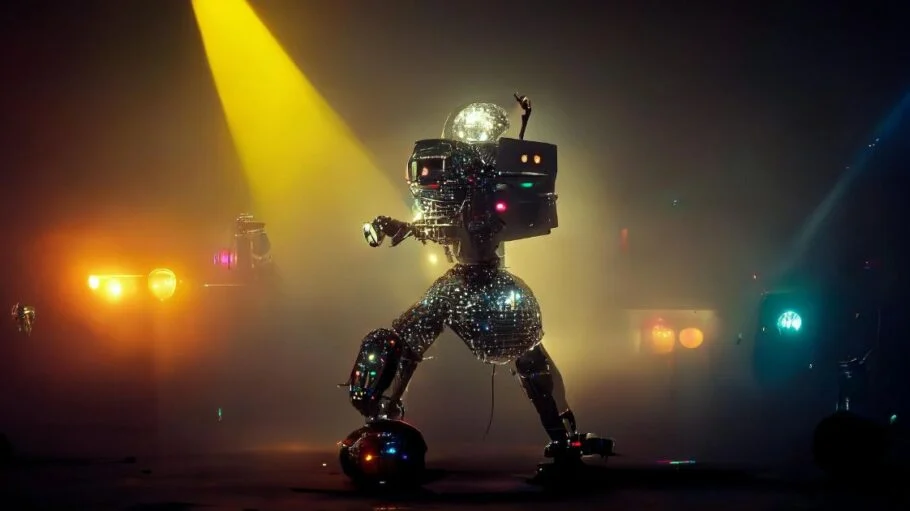
The entertainment industry has always evolved with changing technology, but today innovation is transforming the way people create, consume, and interact with content more than ever before. From advanced streaming platforms to artificial intelligence, virtual experiences, and interactive storytelling, new technologies are redefining the entertainment landscape. Modern audiences expect personalized, engaging, and easily accessible experiences, encouraging companies to explore creative solutions. Platforms and digital services such as mild88a1.com represent how online entertainment continues to expand through innovation and improved user experiences. As technology develops further, innovation will continue to influence how entertainment is produced, distributed, and enjoyed around the world.
The Rise of Digital Entertainment Experiences
One of the biggest changes in entertainment has been the shift from traditional formats to digital platforms. In the past, audiences depended mainly on cinemas, television channels, and physical media to access entertainment. Today, digital services allow users to watch movies, listen to music, play games, and engage with content instantly from almost anywhere.
Streaming services have completely changed viewing habits by offering on-demand entertainment. People no longer need to wait for scheduled programs or purchase physical copies of their favorite content. Instead, they can access large libraries of movies, shows, and other media through internet-connected devices.
Innovation has made entertainment more flexible and convenient. Smartphones, tablets, smart televisions, and cloud-based platforms have created a connected environment where users can enjoy content according to their preferences. This digital transformation has encouraged creators and businesses to develop new methods of delivering entertainment experiences.
Artificial Intelligence Transforming Content Creation
Artificial intelligence has become one of the most influential technologies shaping the future of entertainment. AI tools are helping creators analyze audience preferences, improve production processes, and develop new forms of content. From generating visual effects to assisting with script development, artificial intelligence is becoming an important part of modern entertainment production.
AI-powered recommendation systems have already changed how audiences discover content. Streaming platforms use algorithms to understand user behavior and suggest movies, shows, music, and games that match individual interests. This personalized approach improves user satisfaction and helps audiences find content they may not have discovered otherwise.
In the future, AI may play an even greater role in creative industries. Advanced systems could help produce realistic digital characters, enhance animation, improve sound design, and create customized entertainment experiences. While human creativity will remain essential, artificial intelligence will provide creators with powerful tools to explore new possibilities.
Virtual Reality and Augmented Reality Creating New Worlds
Virtual reality (VR) and augmented reality (AR) are introducing completely new ways for audiences to experience entertainment. Instead of simply watching content, users can become part of the experience by entering digital environments and interacting with virtual elements.
In gaming, VR technology has already created immersive experiences where players can explore realistic virtual worlds. The technology allows users to interact with environments in ways that traditional gaming cannot provide. As VR equipment becomes more advanced and accessible, immersive entertainment is expected to become more common.
Augmented reality is also changing entertainment by combining digital elements with the real world. AR applications can enhance live events, gaming experiences, and promotional campaigns. For example, audiences may use mobile devices or specialized glasses to view additional information, characters, or effects during entertainment activities.
These technologies are creating opportunities for storytelling that goes beyond traditional screens. Future entertainment may become more interactive, allowing audiences to influence stories and participate in experiences rather than simply observe them.
The Growth of Interactive Storytelling
Innovation is changing the relationship between creators and audiences. Traditional entertainment usually follows a fixed storyline, but interactive entertainment gives users more control over their experiences.
Interactive movies, games, and digital experiences allow audiences to make choices that influence outcomes. This approach creates a stronger connection between users and content because each person can experience a story differently.
Video games have become a major example of interactive storytelling. Modern games combine advanced graphics, complex narratives, and player decision-making to create deeply engaging experiences. Many entertainment companies are now adopting similar ideas in other areas, creating content that encourages active participation.
As technology continues to improve, interactive storytelling may become a standard feature of entertainment. Future audiences may expect more personalized experiences where their actions directly affect the content they consume.
Cloud Technology and Global Accessibility
Cloud technology has played an important role in expanding access to entertainment. By storing and processing content online, cloud platforms allow users to enjoy high-quality entertainment without needing expensive equipment or large storage space.
Cloud gaming is one example of how innovation is changing the industry. Instead of downloading large game files, users can stream games directly through internet connections. This development makes gaming more accessible and allows people to enjoy advanced experiences on various devices.
Cloud technology also helps entertainment companies distribute content globally. Creators can reach international audiences without depending on traditional distribution methods. This has opened opportunities for independent creators, smaller production companies, and diverse voices from different regions.
The Influence of Social Media on Entertainment Trends
Social media has become a powerful force in shaping entertainment culture. Platforms that encourage sharing, short-form videos, and community interaction have changed how audiences discover and engage with content.
Creators can now build large audiences without traditional media support. Viral trends, online communities, and digital influencers have become important parts of the entertainment ecosystem. Innovation in social platforms has allowed individuals to become content creators and connect directly with audiences worldwide.
Entertainment companies also use social media to promote new releases, understand audience reactions, and create stronger relationships with fans. The ability to receive instant feedback helps creators develop content that better matches audience expectations.
Personalization and the Future of Audience Engagement
Personalization is becoming a key factor in the future of entertainment. Modern audiences want experiences that match their interests, preferences, and lifestyles. Technology allows entertainment providers to deliver customized recommendations and experiences based on user behavior.
Data analysis, machine learning, and advanced algorithms help companies understand what audiences enjoy. This information allows creators to develop targeted content and improve overall user engagement.
In the future, entertainment may become increasingly personalized. Viewers may receive customized stories, music experiences, or gaming environments designed specifically for them. This shift will create a more individual relationship between audiences and entertainment providers.
Innovation Improving Live Entertainment
Technology is also transforming live entertainment, including concerts, sports, and events. Digital innovations are creating new ways for audiences to participate, even when they are not physically present.
Virtual concerts, live streaming, and interactive event platforms allow fans from different locations to experience performances in real time. These technologies have expanded the reach of entertainment events and created new opportunities for performers.
Advanced technologies such as holograms, artificial intelligence, and immersive displays may further change live entertainment. Future events could combine physical performances with digital enhancements to create unique experiences for audiences.
The Role of Innovation in Creative Industries
Innovation is not only changing how entertainment is consumed but also how it is created. New tools are helping artists, filmmakers, musicians, and developers experiment with ideas that were previously difficult or impossible to achieve.
Affordable digital production tools have allowed more creators to participate in the entertainment industry. Independent filmmakers can produce high-quality projects, musicians can distribute their work globally, and designers can create advanced digital experiences with fewer resources.
This increased accessibility encourages creativity and diversity within entertainment. More voices can share their ideas, resulting in a wider range of content for audiences around the world.
Challenges Created by Rapid Technological Change
Although innovation brings many benefits, it also creates challenges for the entertainment industry. Issues such as data privacy, digital security, and ethical concerns around artificial intelligence require careful attention.
The increasing use of AI-generated content has created discussions about creativity, ownership, and the role of human creators. Entertainment companies must find a balance between using advanced technologies and maintaining authenticity.
Additionally, constant technological changes require businesses and creators to adapt quickly. Those who fail to embrace innovation may struggle to compete in a rapidly evolving market.
Conclusion
Innovation is shaping the future of entertainment by introducing new technologies, improving accessibility, and creating more personalized experiences. Artificial intelligence, virtual reality, cloud platforms, and interactive storytelling are changing how audiences connect with content and how creators bring ideas to life.
The entertainment industry will continue to evolve as technology advances. Future experiences will likely become more immersive, interactive, and customized, giving audiences new ways to enjoy stories, games, music, and digital experiences. Innovation will remain a driving force behind the next generation of entertainment, creating opportunities for creativity, connection, and endless possibilities.
